
1. Verify Damage
Sun Sponge expert team thoroughly inspects your roof to assess the extent of damage caused by hail, wind, or other weather-related events.
2. File Claim
We assist you in navigating the insurance claim process, ensuring that all necessary documentation is properly submitted for a smooth and efficient claim filing.
3. Contingency
Upon verifying the damage, we offer our Contingency agreement, outlining the scope of work and next steps in the restoration process.
4. Adjuster Meeting
Adjuster introductions are sometimes done at point of inspection (always done so by request) most often these will be done remotely between our dedicated staff and your desk adjuster.
5. Adjuster Will Send Scope of Work to Sun Sponge
6. Contract Signing
7. Installation (Typically 24 hours):
8. Other Trades
9. Invoice Insurance for Depreciation and Supplements
10. Final Checks/Google Reviews
Total Protection Roofing System

Ice and Water
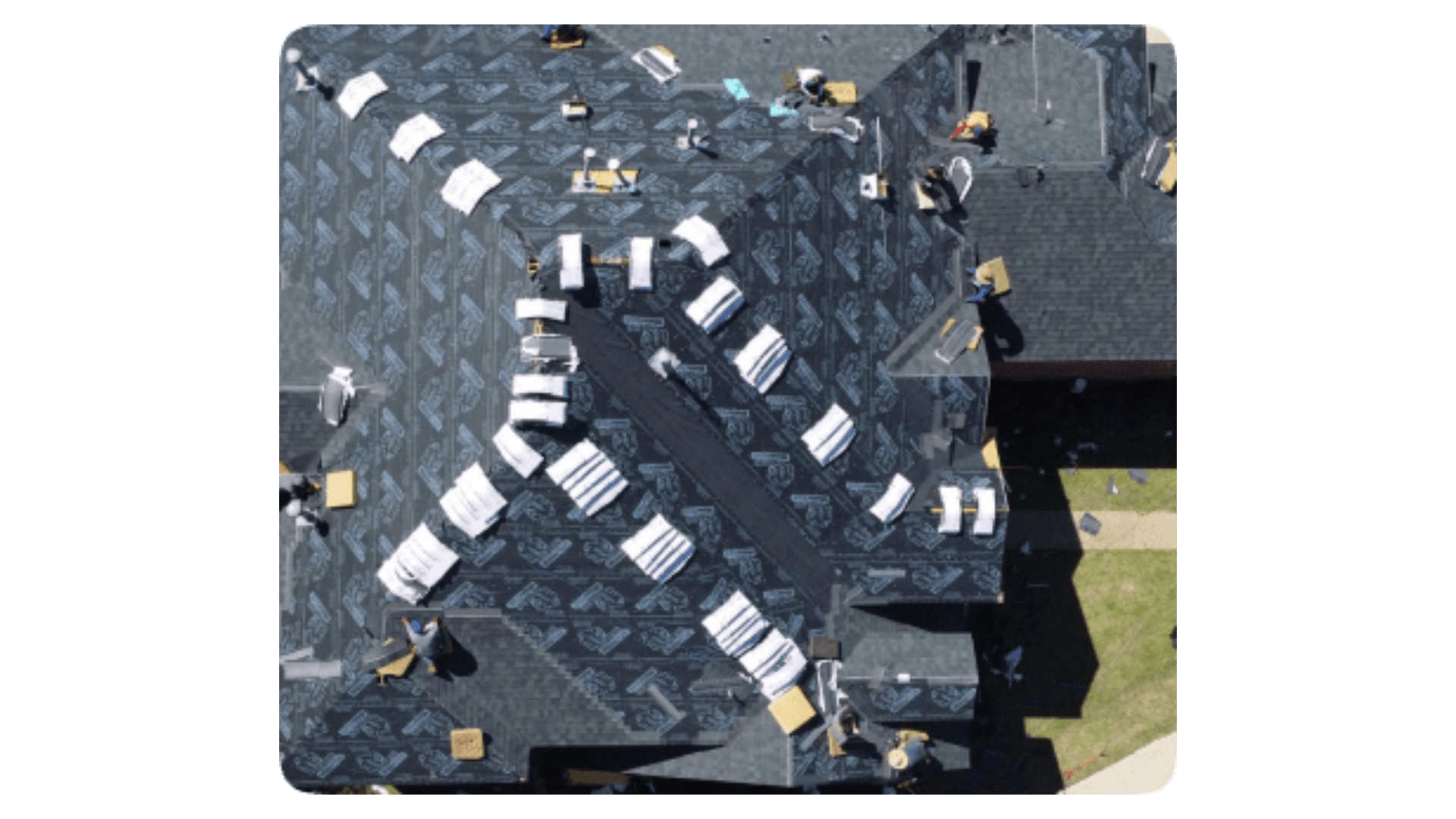
Synthetic Felt

Starter Strip
Shingles
Owens Corning Oakridge AR
Sun Sponge Fulfillment always Certified


Warranties
OC- Standard Warranty
It’s the law
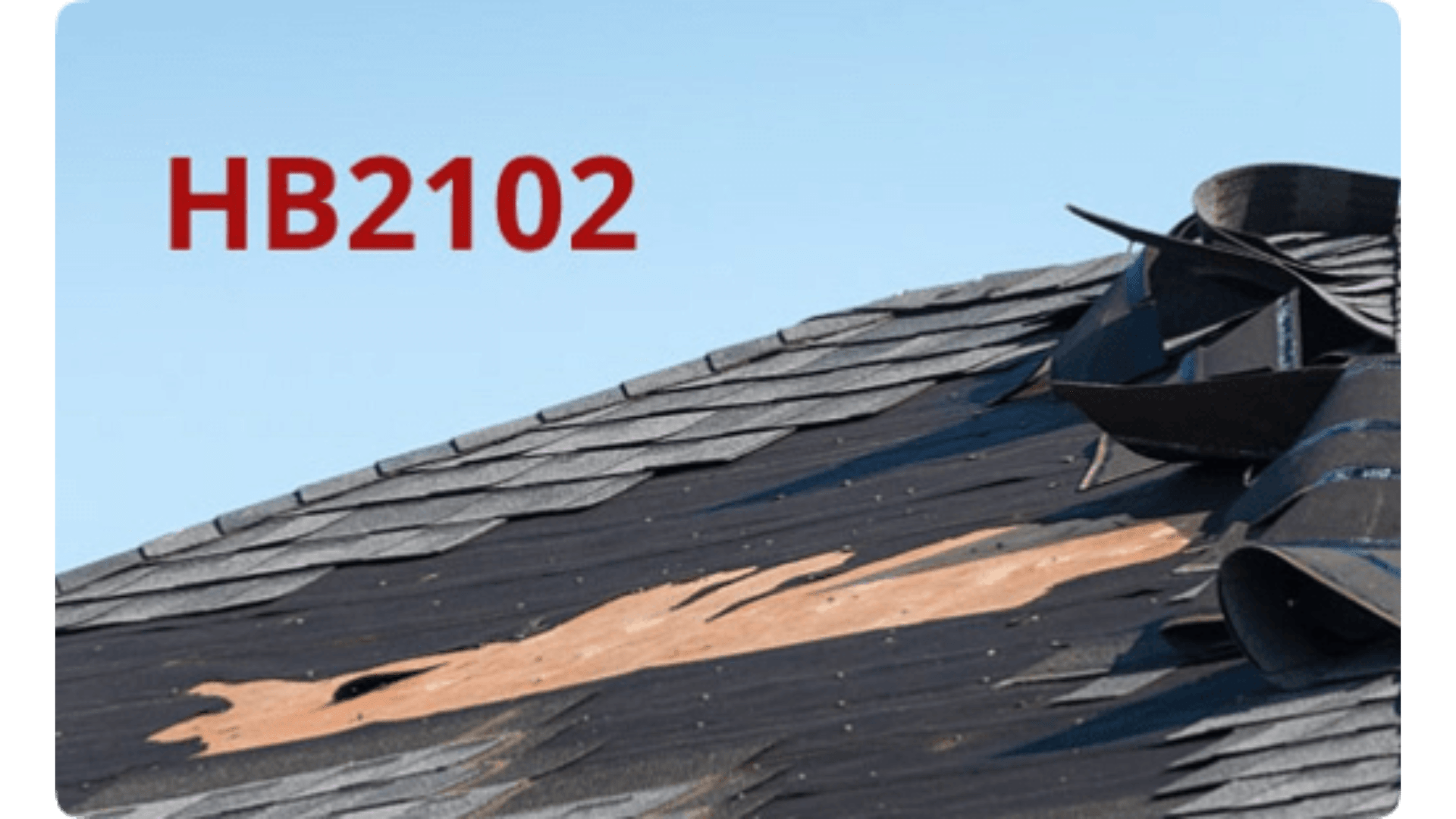
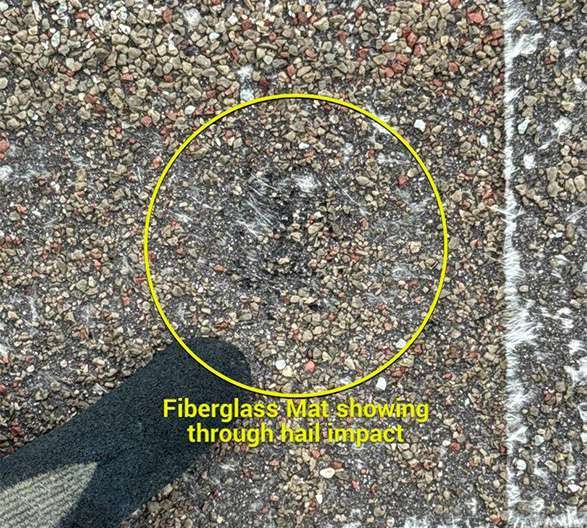
A: Asphalt shingles are coated with granules (the exterior coating) to protect the roofing material from the elements. Hailstones can knock granules off of asphalt shingles, leaving the surface looking rough or bald in spots
A: Asphalt shingles are coated with granules (the exterior coating) to protect the roofing material from the elements. Hailstones can knock granules off of asphalt shingles, leaving the surface looking rough or bald in spots
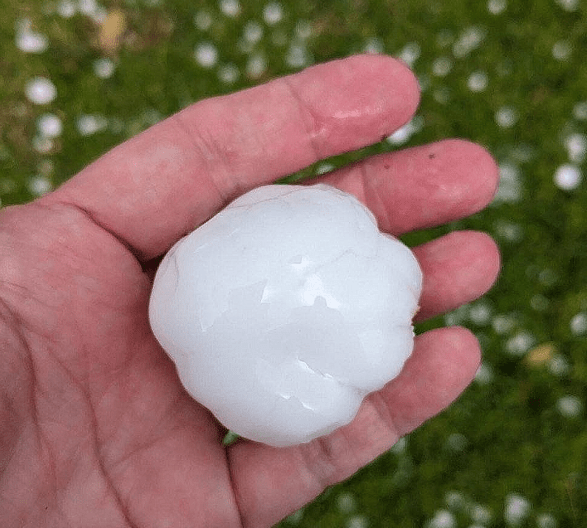
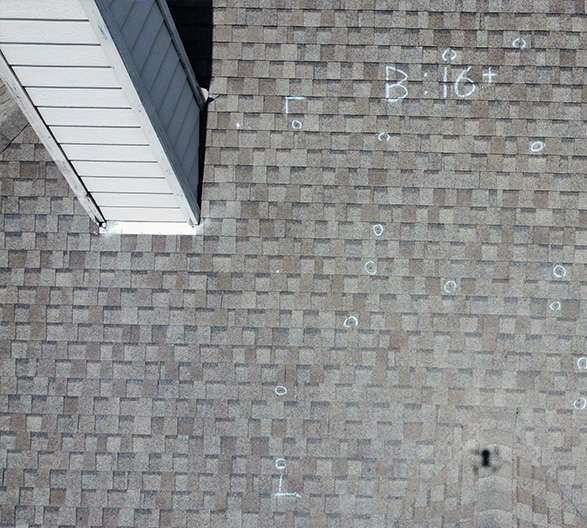
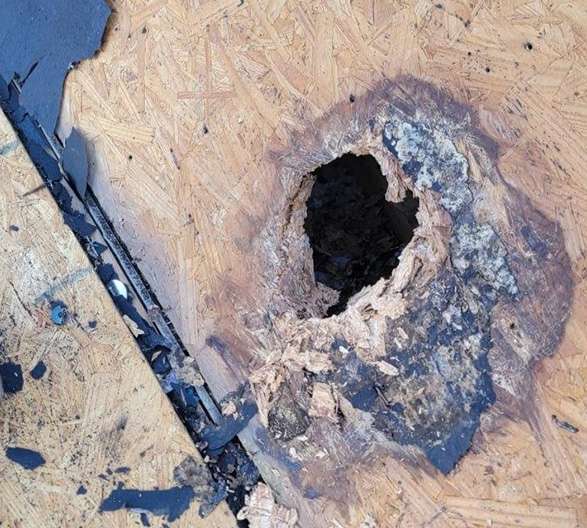
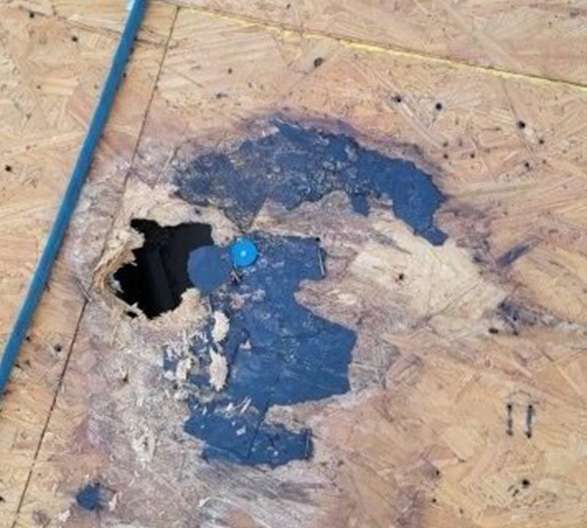
The Dangers of Hail Damage
The Process Of Hail Damage:
Shingles Are Made Of 3 Layers:
- Mineral granules on top.
- A layer of asphalt in the middle
- A fiberglass mat on bottom
When hailstones impact the mineral granules on top, they knock them off and bruise the shingle. This leaves the asphalt layer underneath compromised and susceptible to the weather elements. These elements (wind, sun, rain, and freezing temperatures) contribute to the damage initially caused by hail. When left unresolved, additional granules will begin to release from the hail damaged shingles and from the hail hits themselves, due to the asphalt becoming brittle from being exposed. This will eventually lead to a leak. In fact, the large majority of roofs Ember Roofing replaces have water leaks affecting the decking underneath the roofing system. A large portion of roofs also having missing shingles, which is a result of the shingle becoming brittle from hail damage, and then giving way when hit by high winds. These scenarios will eventually lead to leaks inside the home.